Primark is a leading fashion retailer known for offering trendy and affordable clothing, accessories, and home goods. With a commitment to providing value and style, Primark caters to a wide range of customers globally. Discover the social impact initiatives that Primark has been actively developing. This page highlights key insights into their community-focused projects and sustainable development efforts.
Resources from Primark

Primark sustainabilty and ethis report 2024-2025
The Primark 2024/25 sustainability update shows 74% of clothing now uses recycled or sustainably-sourced fibres and 57% contains cotton from its Primark Cotton Project. The company cut total value-chain emissions by 5.7% since 2019, with 71% reduction in Scope 1 & 2 emissions. Around 5% of garments are now circular by design, and all textile suppliers are onboarded in a traceability programme. Social-impact measures include worker health initiatives and community donations
Primark Sustainability 2025
sustainable Fashion Circularity
Primark Cotton Project
Value-Chain Emissions Reduction
Ethical Supply Chain Traceability
The Primark Cotton Project
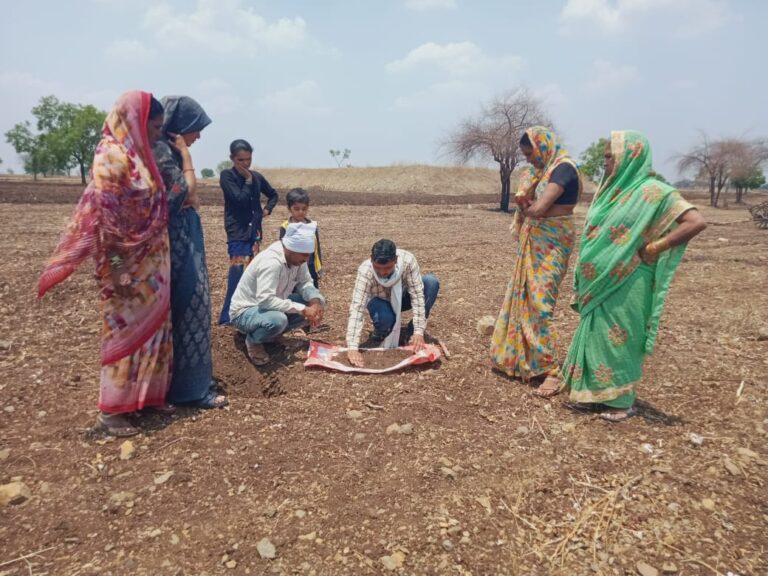
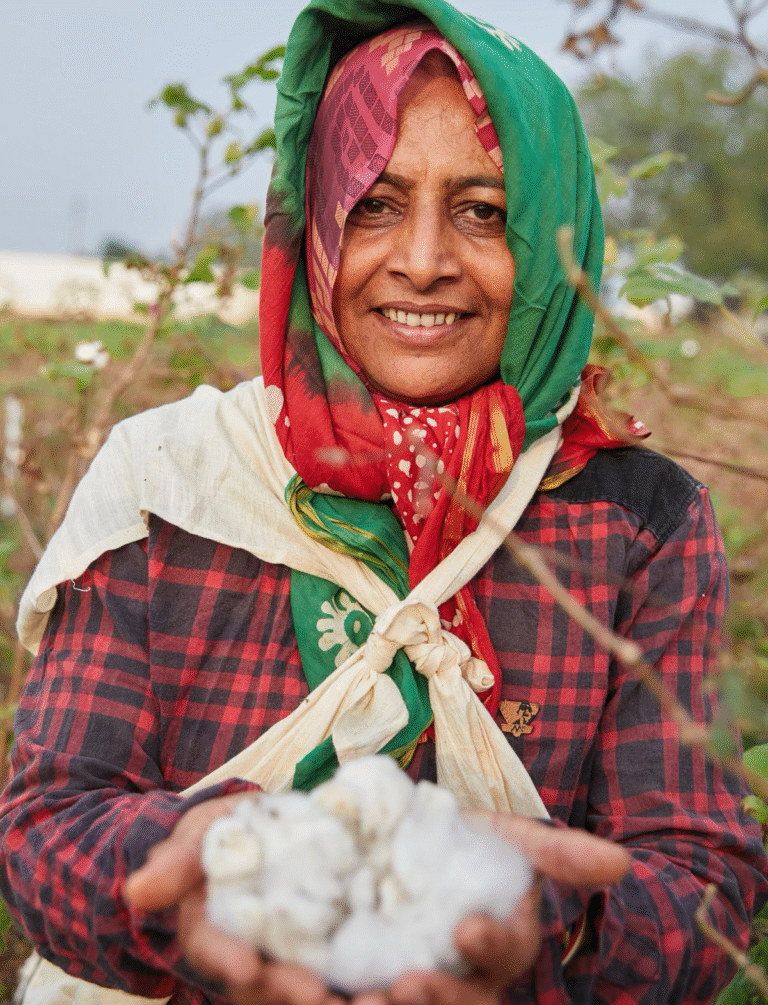
The Primark Cotton Project, launched in 2013, supports over 300,000 cotton farmers 80% women across India, Bangladesh and Pakistan, training them to use 26% fewer pesticides, 35% fewer fertilisers, and boosting yields +8%. The initiative targets full-sourcing of cotton via organic, recycled or project-trained fibre by 2027 (currently 57% of units). It enhances traceability via CottonConnect’s TraceBale and forensic verification, and fosters climate-resilience through regenerative pilots for 3,000 farmers+ by 2030.
Sustainable Cotton Sourcing
Farmer Livelihoods Fashion
Women in Agriculture
Textiles
Regenerative Cotton Farming
Traceable Cotton Supply Chain
Primark Gender Pay Gap Report 2024–25
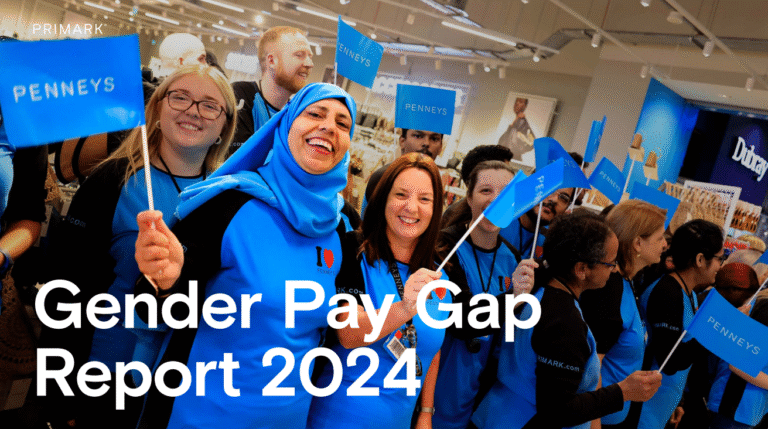
Primark’s Gender Pay Gap Report ROI 2024–25 shows progress toward workplace equity, with a median pay gap of –0.8% (favouring women) and a mean gap of 15.8%. Women represent 77% of Primark’s workforce, and the median bonus gap fell to 26.4% from 40.2%. Initiatives include the “Supporting Women for Life” programme—covering menopause, maternity, and adaptive products—and a new accessibility strategy across stores. Reciprocal mentoring, wellbeing, and colleague networks (540 members in 15 markets) advance inclusion and belonging across all levels
Primark Gender Pay 2024
Workplace Inclusion Ireland
Supporting Women for Life
Accessible Retail Design
Primark’s workforce
The "Primark Sustainability and Ethics Progress Report 2022/23" highlights Primark's achievements in sustainability and ethics. Key initiatives include training 299,388 farmers in sustainable cotton practices and ensuring that 55% of clothing units contain recycled or sustainably sourced materials. The company has also powered 141 stores with renewable or low-carbon electricity and removed 1 billion single-use plastic units since 2019.
Primark
Sustainability
Ethics
Recycled Materials
Sustainable Cotton
Renewable Energy
Biodiversity
Carbon Footprint
Circular Economy
Supply Chain Transparency.
The "Primark Bangladesh Sudokkho Workers Report" assesses the effects of training programs on worker satisfaction and productivity. Key findings include 82% of workers reporting improved job security, 75% experiencing enhanced skills, and 66% noting increased wages after training. Additionally, 90% of participants expressed satisfaction with the training program.
Primark
Bangladesh
Worker Training
Skill Development
Job Security
Worker Satisfaction
Wage Increase
Sudokkho
Employee Empowerment
Workplace Improvement.