Insights

The Northern Triangle countries of Guatemala, Honduras and El Salvador are among the poorest countries in the Western Hemisphere. Fragility caused by poverty, violence and corruption are drivers of migration — exacerbated by the COVID-19 pandemic and two back-to-back hurricanes in November 2020. A new report from the Center for Strategic and International Studies (CSIS) recommends the U.S. government prioritize reforms and programs that will reduce the barriers to growth for small and medium enterprises.
icon-content-article-grey
An article from the latest edition of CLUED-iN, giving hands-on insights on how exactly inclusive businesses are already living up to climate and social impact expectations ahead of COP26, and what is needed to help other entrepreneurs to step up.
icon-content-article-grey
Our farms, and the wider ecosystem, need regenerating. That’s why I’ve been working on the REEL Regenerative Code for Cotton to introduce various regenerative farming practices and new techniques to cotton farmers, which not only enhance but also enable them to foster mitigation and adaptation to climate change. It’s a win-win for the farmers and for the environment.
icon-content-article-grey
Sheila Senathirajah, innovations senior manager at ISEAL, discusses the importance of equality in building inclusive and fair value chains for producers.
icon-content-article-grey
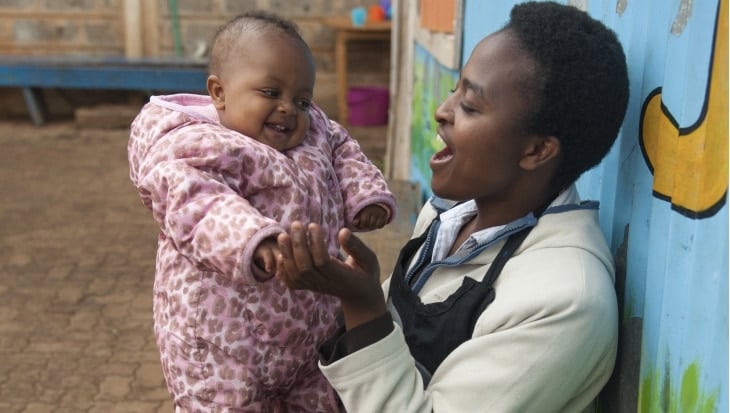
As countries struggle to address the economic and health costs of COVID-19, finding solutions for mothers in informal employent will be important. Governments, donors, and businesses will need to invest in care — and will need to know what works and what doesn’t in reaching the most vulnerable families.
icon-content-article-grey
As the global Food Systems Summit arrives, Lesley Mitchell, international non-profit Forum for the Future’s Associate Director for Sustainable Nutrition, explores what it will take to transform how we produce and consume food – and the role of business in stepping up to the challenge.
icon-content-article-grey
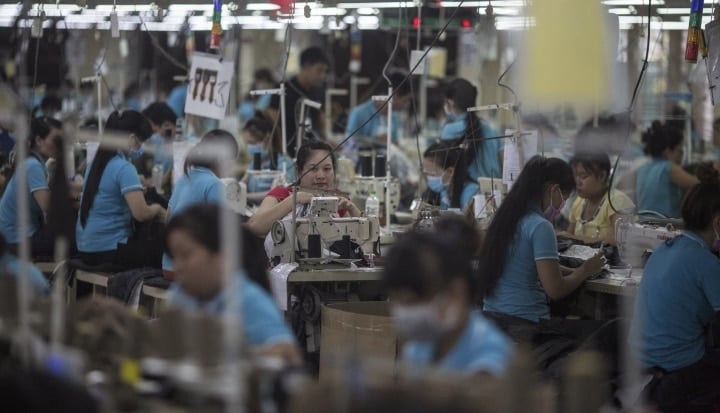
As Human Rights Due Diligence becomes increasingly important for businesses, Oxfam’s Private Sector Human Rights Advisor, Monica Romis looks at how purchasing practices have direct implications on the human rights of workers, sharing some of Oxfam’s research and highlighting concrete steps business can take for a more equitable sharing of rights and responsibilities through the supply chain.
icon-content-article-grey
Jiselle Steele, Oxfam’s Private Sector Gender Advisor, shares insights from recent Oxfam research revealing the gender discrimination and inequality affecting workers and looks at what lessons can be learned so that you can take action. 
icon-content-article-grey
The climate crisis is accelerating faster and is more severe than previously anticipated – to avoid the destructive consequences of a world warmed by more than 1.5°C, we must decarbonise the global economy to reach net zero by 2050.
icon-content-article-grey
Over half of young people think that humanity is doomed, according to a new climate change survey. Since I was born just over 50 years ago, global surface temperatures have risen faster than in any other 50-year period over the past 2,000 years. Clearly, my generation has a lot to answer for. What is one to do in the face of such dire challenges? For business, the message from employees, customers and their other stakeholders is clear: do something.
icon-content-article-grey
Family planning supports the agency of women and girls whilst bringing significant benefits to communities and national economies. In this article, Dr. Claus Runge, Head of Market Access, Public Affairs and Sustainability, Bayer Pharmaceuticals, and Zahid Torres-Rahman, Founder and CEO, Business Fights Poverty, explain how multilateral partnerships can increase access to these essential services.
icon-content-article-grey
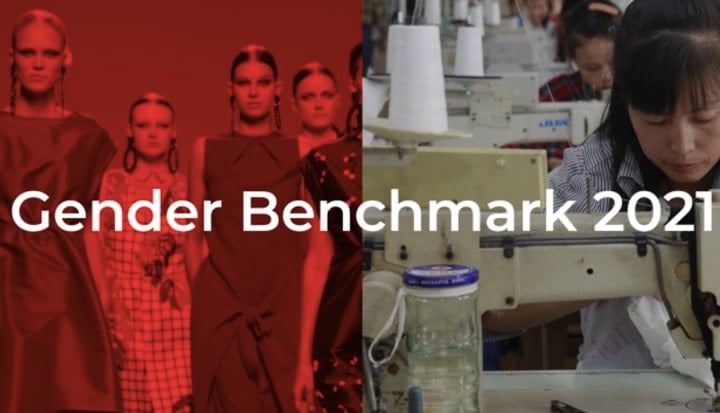
The World Benchmarking Alliance finds a link between major fashion brands that responded well to the COVID-19 pandemic and those that are committed to gender-equality; indicating that whilst the world is unpredictable, by moving the needle on gender equality companies can enable women to thrive in normal times, and endure the turbulent ones.
icon-content-article-grey
Annabel Beales gives an overview of the five ways to engage with Business Fights Poverty, through convenings, circles, collaborations, collective insights and communications. And as always, find out about our latest published content.
icon-content-article-grey
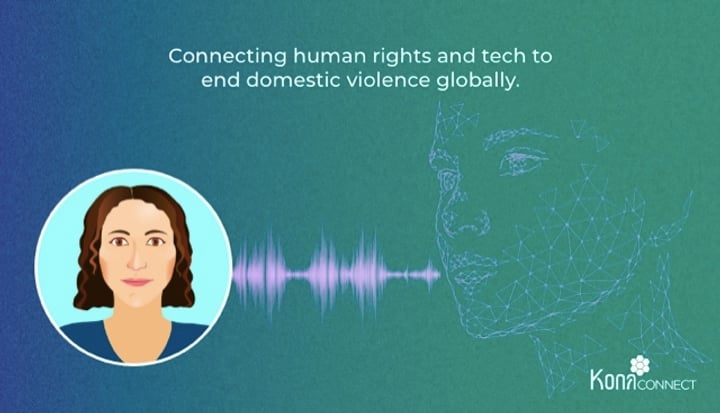
Domestic violence is the hidden plague and it is getting worse. The impact of this violence is far reaching and can have serious consequences for both individuals and businesses alike. To combat this issue, Kona Connect has developed “Sophia”, the world’s first chatbot designed to empower domestic violence survivors globally.
icon-content-article-grey
In our current times, the balance between profit and purpose has never been more tested than during the current global health crisis which we presently face. As much as the pandemic has affected communities, cultures and countries across the world, it has impacted people on a personal level and shifted the perspective on international cooperation, and, of course, how we collaborate.
icon-content-article-grey
A round-up of recent articles, “how-to” videos and podcasts. Explore key trends that require a robust business response; and find out how business is supporting decent livelihoods and building the resilience of women in supply chains in the face of climate change. And don’t miss Standard Chartered’s Futuremakers Forum in partnership with Business Fights Poverty. 
icon-content-article-grey
It was inspiring to witness the extent of our collective energy and expertise at the Business Fights Poverty Global Summit 2021. This five-day event, held from 21-25th June, brought together over 80 speakers with more than 1000 registered participants to celebrate the successes of our members; share insights and lessons learned; and build our resilience.
icon-content-article-grey
The emerging post-pandemic world demands both reflection and imagination. Changemakers in the private sector should consider this a strategic moment to transform the way business engages with local communities in their global supply chains, and to advance new solutions to the pressing need for gender equality, health, and economic resilience.
icon-content-article-grey
Faced with the growing threat of climate change, from heatwaves and frequent wildfires to rising sea levels, we are in a race to avoid the worst impacts of the climate crisis and secure a world the next generation can thrive in. At the individual, corporate and country level, the sense of urgency to act has increased dramatically.
icon-content-article-grey
In a year where the UK is hosting the G7, COP26 and the Global Partnership for Education Replenishment summits, the decision to cut Official Development Assistance (ODA) spending severely hampers its global reputation and leadership on achieving gender equality, tackling Covid and supporting the world’s most vulnerable people.
icon-content-article-grey

What do we mean by "Insights"?

Sub-topics within this category

There are no sub-topics within this Category.